Source Customized Stamping Angle Cleat for Machinery Parts
Find 30 listings for customized stamping angle cleat suitable for metal casting, processing machinery, and recycling equipment. Buyers can compare stainless steel and carbon steel options with ISO standards and OEM support; compare the available evidence and request quotations based on your requirements.
Key considerations
Products List


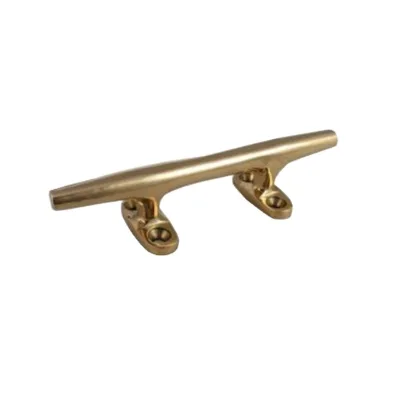


$8.25 - $9.50
Moq: 200


Comprehensive Sourcing Guide
Customized Stamping Angle Cleat Sourcing Guide
Sourcing customized stamping angle cleats requires a clear understanding of the specific mechanical and material demands of your assembly line. These components are critical for structural integrity in metal processing machinery, metal casting equipment, and recycling systems. Buyers must distinguish between standard off-the-shelf parts and those requiring custom tooling, as the latter involves higher initial setup costs but offers long-term flexibility. The decision to customize hinges on precise dimensional tolerances, typically around 0.02mm, which ensure proper fitment in high-precision machinery.
Procurement teams should evaluate the supplier’s capability to handle various materials, including stainless steel grades like SS202, SS304, and carbon steel. The choice of material directly impacts corrosion resistance, tensile strength, and suitability for harsh industrial environments. For applications requiring high load-bearing capacity, verifying the grade, such as 12.9, is essential. Additionally, surface treatments like polishing or electroplating must be specified to meet environmental exposure requirements, ensuring the cleats maintain their structural integrity over time without degradation.
Product Scope and Observed Listing Signals
The market for angle cleats presents a wide range of product variations, often identified by model numbers like MA01 or MA-2. Listings frequently highlight customization options, supporting OEM and ODM requests for tailored solutions. Buyers should observe that these parts are often described with specific groove types, such as cross grooves, and connection methods like fixing mechanisms. The application scope extends across metal cutting machines and processing machinery parts, indicating a broad utility in heavy industrial settings.
Observed listing signals also reveal the manufacturing processes involved, including cold stamping, deep drawing, and shaping metal techniques. Suppliers often advertise press capabilities ranging from 16 to 500 tons, which dictates the complexity and thickness of the parts they can produce. It is crucial to verify if the supplier offers in-house die making, as this capability significantly reduces lead times for custom designs. The presence of pallet packing suggests readiness for bulk shipping, but buyers must confirm if this includes protective measures for delicate stamped edges.
Technical Specifications to Verify
When verifying technical specifications, the primary focus should be on material composition and mechanical properties. Stainless steel and carbon steel are common choices, but the exact grade must be confirmed to ensure it meets the required tensile strength and corrosion resistance. For high-stress applications, a grade of 12.9 may be necessary, providing superior load-bearing capabilities. Buyers should request material test reports to validate these properties, ensuring that the supplied cleats will not fail under operational loads.
Dimensional accuracy is another critical specification, with tolerances often cited around 0.02mm. This level of precision is vital for ensuring that the angle cleats fit correctly within the assembly, preventing misalignment and structural weaknesses. Suppliers should provide detailed CAD or SolidWorks files to confirm dimensions before production begins. Additionally, the surface treatment process, whether polishing or electroplating, must be specified to protect against wear and environmental factors, ensuring the longevity of the component in demanding industrial applications.
Compliance and Safety Documentation
Compliance with international standards is a key requirement for industrial components, with ISO certifications often cited as a baseline for quality management. Buyers should verify that the supplier holds valid ISO certifications, such as ISO 9001, which indicate a structured approach to quality control and continuous improvement. While specific certification statuses may vary, the presence of such documentation suggests a commitment to consistent manufacturing practices. It is advisable to request copies of current certificates to ensure they are up-to-date and cover the specific production facilities.
Safety documentation should also include material safety data sheets (MSDS) for any surface treatments or coatings applied to the cleats. These documents provide essential information on handling, storage, and disposal, ensuring compliance with environmental and workplace safety regulations. Additionally, buyers should inquire about any industry-specific standards that may apply to their application, such as DIN standards for mechanical parts. Verifying these standards ensures that the components meet the rigorous demands of the intended machinery, reducing the risk of operational failures.
Cost Drivers and Commercial Terms
Cost drivers for customized stamping angle cleats include material costs, tooling expenses, and production volume. Stainless steel and specialized alloys typically command higher prices than carbon steel, while custom tooling adds a significant upfront cost. Buyers should negotiate clear terms regarding tooling ownership, ensuring they retain rights to the dies for future production runs. Volume discounts can mitigate these initial costs, making it essential to forecast long-term demand accurately to optimize pricing.
Commercial terms also encompass delivery times and payment structures. Lead times can range from 10 to 25 days, depending on the complexity of the order and current production schedules. Buyers should clarify whether expedited shipping options are available and at what cost. Payment terms, such as deposits or letters of credit, should be aligned with the supplier’s requirements and the buyer’s cash flow needs. Understanding these financial aspects helps in budgeting effectively and avoiding unexpected expenses during the procurement process.
Supplier Qualification and Quality Control
Supplier qualification involves assessing their manufacturing capabilities, including press tonnage and die-making expertise. Suppliers with in-house die making can offer faster turnaround times and greater flexibility for design changes. Buyers should verify the supplier’s capacity to handle various processes, such as stamping, punching, welding, and machining, ensuring they can meet all production requirements. A comprehensive audit of the supplier’s facilities can provide insights into their operational efficiency and quality management systems.
Quality control is paramount, with inspections often conducted throughout the production process. Buyers should inquire about the supplier’s inspection protocols, including frequency and methods used to ensure dimensional accuracy and surface finish. Free samples are often available for evaluation, allowing buyers to assess the quality before committing to large orders. Establishing a clear quality agreement, including acceptance criteria and rejection procedures, helps maintain consistency and reduces the risk of receiving non-conforming products.
Long-Term Procurement Checks
Long-term procurement checks focus on supplier reliability and continuous improvement. Buyers should monitor delivery performance, tracking on-time delivery rates and responsiveness to issues. Consistent performance indicates a stable supply chain, while frequent delays may signal underlying operational problems. Regular communication with the supplier can help address potential issues proactively, ensuring that production schedules are met and quality standards are maintained over time.
Continuous improvement initiatives, such as process optimization and cost reduction strategies, should be encouraged. Suppliers who actively seek to improve their processes can offer better value and reliability in the long run. Buyers should also stay informed about changes in material availability and pricing trends, adjusting their procurement strategies accordingly. By maintaining a strategic relationship with qualified suppliers, buyers can ensure a steady supply of high-quality customized stamping angle cleats for their industrial applications.
FAQs
What materials are available for customized stamping angle cleats?
Suppliers offer stainless steel, carbon steel, iron, and aluminum for these parts. Specific grades like SS304, SS201, and 12.9 grade are commonly used. The material choice depends on the required strength and corrosion resistance for your specific metal processing or casting machinery application.
Can I get free samples for customized stamping angle cleats?
Yes, free samples are available for most suppliers. This allows you to verify quality before placing a bulk order. You typically need to provide CAD or Solidworks files to ensure the sample matches your exact specifications for tolerances and surface treatment requirements.
What is the typical lead time for these parts?
The standard delivery time ranges from 10 to 25 days. This period covers production, quality inspection, and packaging. Shipping methods like air, sea, or express can be selected based on your urgency. Lead times may vary slightly depending on the order quantity and customization complexity.
What certifications do these stamping parts have?
Products are generally certified under ISO standards. Many suppliers also adhere to DIN standards for specific dimensions. The manufacturing process includes continuous inspection to ensure compliance. These certifications help verify the quality and reliability of the metal stamping parts for industrial machinery applications.
What is the minimum order quantity for these cleats?
The minimum order quantity typically ranges from 1 to 10,000 units. This flexibility supports both prototype testing and large-scale production runs. Suppliers accommodate various MOQs to suit different buyer needs. You can discuss specific quantity requirements directly with manufacturers to secure the best terms for your project.
What surface treatments are applied to these angle cleats?
Common surface treatments include polishing and electroplating. These processes enhance corrosion resistance and aesthetic appeal. The choice of treatment depends on the material used, such as stainless steel or carbon steel. Proper surface finishing ensures durability in metal processing machinery and other industrial environments.